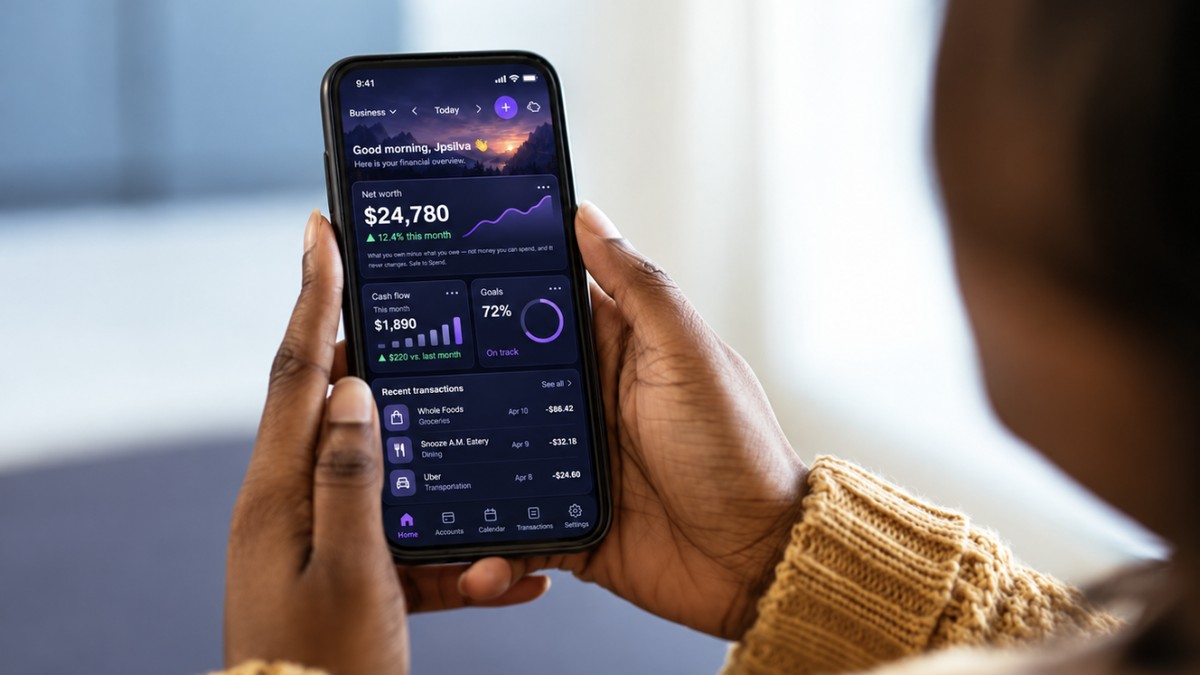

Manual and automatic aren't rival camps. They are two different amounts of friction, and friction is a tool: sometimes you want it, sometimes you don't.
What manual tracking is good at
Awareness. Typing an amount is a tiny moment of attention that imported data skips entirely. People who track by hand tend to know their numbers without opening the app.
Control. Nothing lands in your ledger that you didn't put there, which keeps categories clean and makes the picture feel like yours.
What automatic tracking is good at
Completeness and speed. Every transaction arrives, categorised, without you doing anything. That's what makes forecasting and recurring-bill detection possible — they need the full stream.
The cost is that it's easy to stop looking. Data that arrives on its own is data you can ignore.
The sequencing most people get wrong
Starting automatic means learning an app, cleaning up categories and building trust in the numbers all at once. Starting manual means learning your own money first, with a system you understand, then automating what has become routine.
That's why Behold is manual-first: the Free plan is a complete manual product, Plus adds linked bank connections, automatic import and Standard Behold AI chat, and Pro adds more banks and Advanced Behold AI, when the extra automation is something you actually want.
- New to budgeting, or coming back after a break: start manual.
- Stable routine, many accounts, little time: add automation.
- Sharing with a partner or family: either works — the shared budgets and goals matter more than the input method.
Behold plan facts in this guide: Free $0 forever · Plus $89.99/year or $8.99/month (2 linked banks, automatic import, Standard Behold AI chat) · Pro $199.99/year or $19.99/month (10 linked banks and Advanced Behold AI).